
Construction Loans to Build the Home You Want
A construction loan pays for building a new home in stages, as the work gets done. With a construction-to-permanent loan, that financing becomes your regular mortgage when the home is finished. WestPac Lending explains how construction loans work, what lenders and builders need, and which option fits your project, so you can plan your build with confidence.
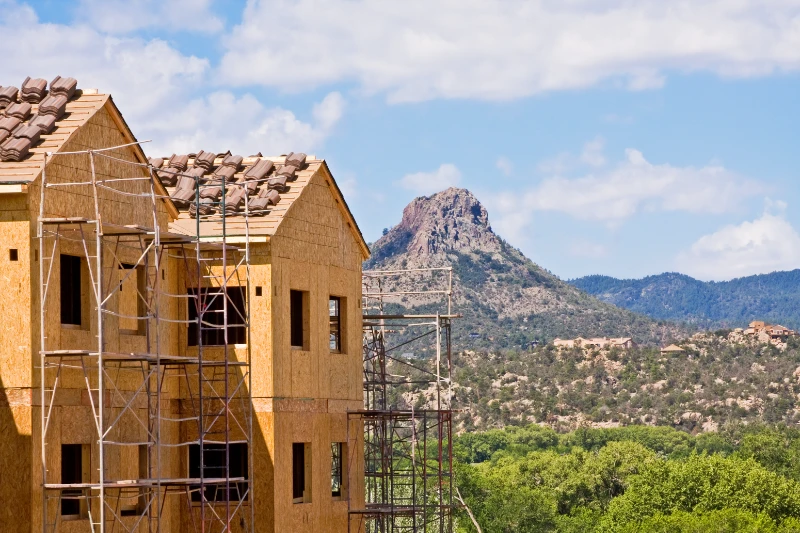
Construction Loans at a Glance
Explore Construction Loan Topics and Related Loan Options
Jump to a topic on this page, or go straight to a related loan program.
On This Page
Related Mortgage Resources
What Is a Construction Loan, and How Does It Work?
A construction loan is short-term financing for building a home. Instead of paying out the full amount at closing, the lender releases money in stages, called draws, as the builder finishes each phase of work. An inspector usually checks progress before each draw is paid.
During the build, you typically pay interest only on the amount drawn so far, so payments start small and grow as the project moves forward. When the home is finished, the construction loan either converts into a permanent mortgage (a construction-to-permanent loan) or is paid off with a new mortgage (a two-time close). Fannie Mae describes how lenders handle these loans in its construction products overview.
Because the home doesn't exist yet, the lender reviews more than your finances. Your builder, your plans and your budget all go through approval, and the appraisal values the home as it will be when finished. That extra review protects you too: it helps catch budget gaps before construction starts.
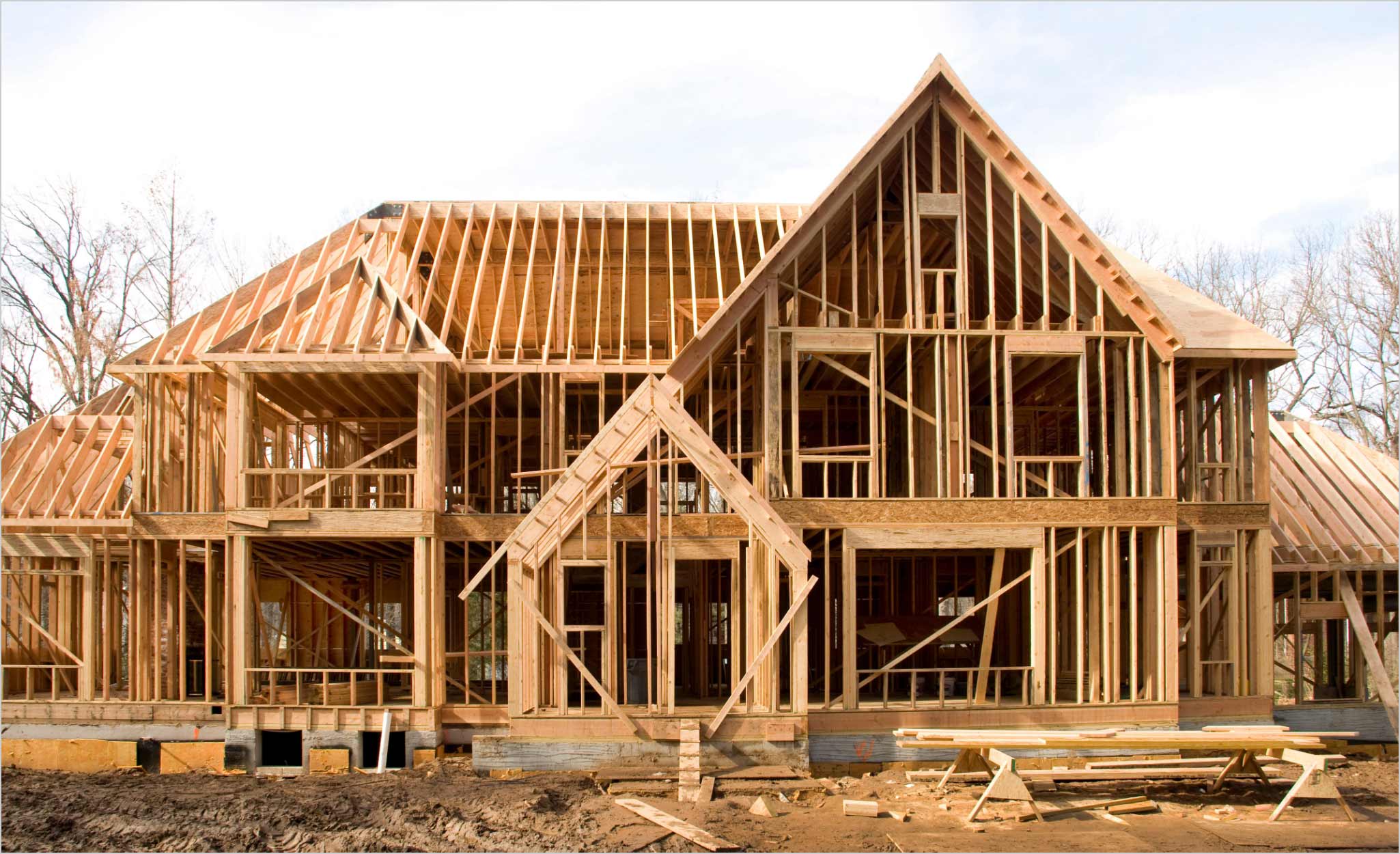
During the build:
- Funds are released in draws as each stage of work is completed
- An inspection usually confirms progress before each draw
- You typically pay interest only on the amount drawn so far
- Changes to the plans or budget may need lender approval
- At completion, the loan converts to or is replaced by a permanent mortgage
Want to see how it would work for your build? Call us and we'll walk through the draw schedule and costs with you.
Who Is a Construction Loan a Good Fit For?
A loan to build a house makes sense when buying an existing home won't get you what you need. These are the most common situations.
You own land and are ready to build
Land you already own can often count toward your equity in the project.
You found the lot first
Some programs let you buy the land and finance construction together, so you don't need two separate loans.
You want a custom home
Build the layout, finishes and location you want instead of settling for what's on the market.
You're replacing an older home
Tearing down and rebuilding on your lot can make more sense than a major remodel. We'll help you compare.
You're adding an ADU
A backyard unit can house family or bring in rental income, depending on local rules.
You're building a second home
Construction financing can also cover a vacation home or a place closer to family.
One-Time Close vs. Two-Time Close Construction Loans
A one-time close (single close) construction-to-permanent loan and a two-time close loan both finance a new build. A renovation loan is the alternative when you're improving an existing home.
We'll price the options you qualify for side by side, including total closing costs. Improving a home instead of building? See our rehab and renovation loans.
Your Builder, Budget and Draw Schedule
A construction loan is approved around your project as much as around you. Getting these pieces ready early keeps the process moving.
A licensed, approved builder
Every construction loan we offer requires a licensed, insured builder. We review the builder as part of your loan.
Plans and specifications
Final plans and a list of materials and finishes show exactly what's being built and support the appraisal.
A detailed budget
A line-item cost breakdown from your builder. Many lenders also expect a contingency reserve for overruns.
The draw schedule
Funds are released at set stages of the build. Inspections confirm the work before each draw is paid.
The land
Whether you own the lot or are buying it, its value, zoning and access to utilities all factor into the loan.
An "as completed" appraisal
The appraiser values the home as it will be when finished, based on your plans, specs and the land.
Construction Loan Requirements
Construction loans look at your finances and your project together. Exact requirements depend on the program, the property and how you'll use it, and not every borrower, builder or project will qualify.
-
Credit score and history
Construction guidelines usually expect established credit. Your score affects whether you qualify and your pricing.
-
Down payment or land equity
The amount depends on the program and your budget. Land you already own can often count toward it.
-
Debt-to-income ratio
Lenders compare your monthly debts, including the future mortgage payment, with your gross monthly income.
-
Steady, documented income
Expect to show a stable income history. Self-employed borrowers usually provide tax returns.
-
Cash reserves
Savings after closing help cover interest during the build and any cost overruns.
-
Approved builder and project
Your builder must be licensed and insured, and your plans, budget and appraisal must meet the program's guidelines.

Documents to gather for a construction loan
- Recent pay stubs and two years of W-2s, or tax returns if self-employed
- Recent bank and investment statements
- Signed construction contract with your builder
- Plans, specifications and a line-item budget
- Lot purchase contract, or the deed if you own the land
- Builder's license and insurance information
Not sure what your builder needs to provide? We'll send them a checklist.
How to Get a Construction Loan, Step by Step
Here's what to expect from first conversation to move-in. Timing depends on your builder, permits, inspections and the build itself.
-
1
Talk through your project
Tell us about your land, your builder and your plans. We'll compare one-time close, two-time close and other options.
-
2
Get preapproved
We review your credit, income and assets so you know your budget before you finalize plans with your builder.
-
3
Builder, plans and appraisal
We review your builder, contract, plans and budget, and order an appraisal of the home as it will be when finished.
-
4
Close and start building
Review your Closing Disclosure and sign. Construction begins, and draws are paid as each stage is inspected.
-
5
Final inspection and permanent loan
After the final inspection, your loan converts to a permanent mortgage, or your new mortgage pays off the construction loan.
The CFPB explains how to read your Loan Estimate and Closing Disclosure.
Construction Loan FAQs
How do construction loans work?
A construction loan pays for building a home in stages. The lender releases funds in draws as the builder completes each phase, usually after an inspection. You typically pay interest only on the amount drawn during the build. When the home is finished, the loan converts to a permanent mortgage or is paid off by one.
What is a one-time close construction loan?
Also called a single close construction-to-permanent loan, it combines the construction loan and your mortgage into one loan with one application and one closing. When construction is complete, it converts to permanent financing without a second closing.
Can I get an FHA or VA construction loan?
Yes. WestPac Lending offers FHA and VA construction loans for building a primary residence. FHA construction loans follow FHA's more flexible credit guidelines, and VA construction loans let eligible veterans and service members use their VA benefit, often with no down payment. See our FHA home loans and VA home loans pages for program basics.
What are the requirements for a construction loan?
Lenders look at your credit, income, debts, down payment or land equity and reserves, plus your builder, plans, budget and appraisal. Requirements vary by program and project. A loan officer can tell you where you stand after a quick review.
How much do I need for a down payment on a construction loan?
It depends on the program, your budget and whether you already own the land. Equity in land you own can often count toward the down payment. Call (888) 944-6262 and we'll show you the cash needed for your project.
What's the difference between a construction loan and a mortgage?
A mortgage pays for a home that already exists, all at once at closing. A construction loan pays for a home that's being built, in stages, and usually lasts only through the build. A construction-to-permanent loan does both: it funds construction, then becomes your mortgage.
Can I use a construction loan to buy land?
Often, yes. Many construction loans can include the lot purchase, and lot or land loans are available when you want to buy first and build later. If you already own the land, its value may count toward your equity.
Can I be my own builder?
No. WestPac Lending finances construction projects only when the work is done by a licensed, insured builder, so we don't offer owner-builder construction loans. If you already have a builder in mind, we'll review them as part of your loan.
What if I need to build before I sell my current home?
Some homeowners use equity in their current home to cover the land or down payment. A residential bridge loan may help. We'll look at the timing and costs with you.
What are today's construction loan rates?
Construction loan rates change often and depend on the program, your credit, your equity and the project. Call (888) 944-6262 for today's rates and a side-by-side look at your options.
Does WestPac Lending offer construction loans for investors?
Yes. Homeowner construction loans are offered by Savi Ranch Financial, Inc. dba WestPac Lending, NMLS #264390, which operates as a mortgage banker and directly funds many of its loans. Investor and spec construction loans are business-purpose loans offered through Savi Ranch Capital, LLC dba WestPac Lending. See our commercial loans and fix and flip loans pages, and our licensing page.
Talk to WestPac Lending About Your Construction Loan Options
Tell us about your land, your builder and your plans, or call for today's rates. A loan officer will compare your options and explain the numbers. No pressure and no obligation.
Request a Construction Loan Quote
A WestPac Lending mortgage professional will review your details and follow up with possible options.
Submitting this form is a request for information, not a mortgage application, preapproval or commitment to lend. Review our Privacy Policy and Communications Policy.
Loan programs, rates, fees, terms and eligibility vary and can change without notice. Construction loan guidelines differ by program, property and project, and not every borrower, builder, property or transaction will qualify. A licensed, insured builder and plan, budget and appraisal approval are required. FHA and VA loans are subject to FHA and VA eligibility and program requirements. This page is for information only and is not a commitment to lend, prequalification, preapproval or rate lock. WestPac Lending is not affiliated with Fannie Mae, Freddie Mac, HUD, FHA, the VA or any government agency.
Consumer mortgage loans: WestPac Lending is a DBA of Savi Ranch Financial, Inc., NMLS #264390. Licensed in California (DRE Real Estate Broker License #01268597), Colorado and Florida. See state licensing and NMLS Consumer Access. Equal Housing Lender.
Business-purpose loans: Investor and spec construction loans are offered through Savi Ranch Capital, LLC dba WestPac Lending. They are for non-owner-occupied investment property only, are not consumer loans and are not available in all states.