Ready to build your dream home? Explore our construction home loans.
Building a home is a big step. Our construction home loans are designed to support you at every stage of this exciting journey.
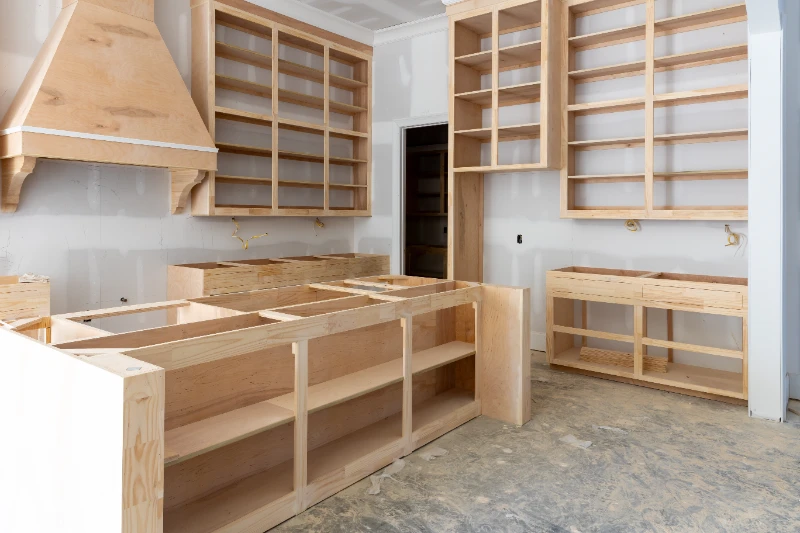
A construction home loan is a specialized mortgage that finances the building or major renovation of a property from the ground up. For borrowers in Orange County, CA, WestPac Lending (NMLS #264390) offers guidance and tailored construction home loan solutions that fit the unique demands of our local real estate market. Whether you’re a move-up buyer, self-employed, or an investor seeking to build or renovate, we help you navigate every step of the construction home loan process in Orange County.
Key Takeaways
- Short-term financing for construction: Construction home loans provide funds to build or renovate a property, with funds released in stages as work progresses.
- One-time or two-time closing options: Choose between construction-to-permanent loans (one closing) or construction-only loans (two closings with separate permanent financing).
- Local expertise matters: Our deep understanding of Orange County neighborhoods and regulations helps you avoid costly missteps.
- Detailed documentation required: You’ll need builder contracts, architectural plans, budgets, and permits to qualify.
- Interest-only payments during construction: Most construction home loans require interest-only payments until the project is complete.
- Flexible options for self-employed and investors: We offer programs, including bank statement loans, to help non-traditional borrowers qualify.
- Transition to permanent financing: Once construction is finished, your loan can convert to a traditional mortgage or be refinanced.
Construction Home Loan Options in Orange County, CA: Quick Answers
- What is a construction home loan? It’s a short-term loan that covers the cost of building or substantially renovating a home, with funds released as construction milestones are met.
- How does a construction-to-permanent loan work? This program combines the construction and permanent mortgage into one closing, so you only go through the approval process once.
- Who can qualify for a construction home loan in Orange County, CA? Typically, borrowers with solid credit, documented income, and detailed construction plans—though self-employed and investors may have flexible options.
- What documentation do I need? You’ll need building plans, a signed contract with a licensed builder, budgets, permits, and proof of land ownership or purchase contract.
- Can I use a construction home loan for major renovations? Yes, certain programs allow for significant remodels or “tear-down and rebuild” projects, not just new builds.
- What happens when construction is done? The loan is either converted to a standard mortgage or you refinance into a long-term loan, depending on your original loan structure.
How Construction Home Loans Work in Orange County, CA
- Initial Consultation and Pre-Qualification: We start by reviewing your financial profile, goals, and project details to determine eligibility and the right construction home mortgage for your needs. This step helps set realistic expectations for budget and timeline.
- Project Planning and Documentation: You’ll work with your builder or architect to finalize construction plans, budgets, and timelines. Orange County requires detailed permits and approvals, so we make sure all documentation is in order before moving forward.
- Loan Application and Approval: We submit your application, including builder contracts, architectural plans, and financial documents. The lender reviews your credit, income, and the viability of the project, often requiring an appraisal based on the completed value of the home.
- Loan Closing and Funding: Once approved, you’ll close on the construction home loan. Funds are not released all at once; instead, they’re drawn in phases (called “draws”) as construction progresses and is verified by inspections.
- Construction Phase and Draw Process: As each stage of construction is completed—such as foundation, framing, and finishing—you or your builder request a draw. The lender inspects the work before releasing funds for the next phase.
- Interest-Only Payments During Construction: During the build, you typically make interest-only payments on the funds disbursed, helping manage cash flow while your property is under construction.
- Conversion to Permanent Financing: When construction is complete and final inspections are passed, your loan either converts to a permanent mortgage (in a construction-to-permanent program) or you refinance into a traditional mortgage.
Is a Construction Home Loan Right for You?
Construction home loans are ideal for buyers who want to build a custom home, undertake a major remodel, or invest in new residential development in Orange County, CA. If you have a vision for your property and want to control the design, layout, and finishes, this loan type gives you the flexibility to create exactly what you want. It’s also well-suited for self-employed borrowers and real estate investors who may have unique income structures or want to leverage local market opportunities. In our experience, many move-up buyers use construction home loans to build their “forever home” in a neighborhood they already love.
However, construction home loans are not for everyone. If you’re looking for a straightforward, move-in-ready purchase, or if your financial situation is uncertain, a traditional mortgage may be a better fit. The process is more complex and requires significant documentation, planning, and patience. Borrowers who are not comfortable with potential delays, cost overruns, or the need for active project management may want to consider alternatives like a rehab loan or a FHA home loan for existing properties.
Costs, Fees, and What to Expect with Construction Home Loans
Construction home loans involve unique costs and timelines compared to traditional mortgages. You’ll need to budget for a down payment—often 10% to 20% of the total project cost—plus closing costs, builder fees, and interest-only payments during construction. Because these loans are riskier for lenders, rates may be slightly higher than standard purchase loans. Closing costs can include lender fees, title, appraisal, and inspection charges, and you may have two sets of fees if you use a construction-only loan (one for the construction phase, another for the permanent mortgage). Timelines are longer, with most projects taking 6-12 months or more from start to finish. In our experience, borrowers who plan for contingencies and work with experienced builders are best positioned to avoid unexpected expenses. Here’s how construction home loans compare to other options:
| Feature | Construction Home Loan | Traditional Mortgage |
|---|---|---|
| Down Payment | Typically 10-20% of project cost | As low as 3-5% for qualified borrowers |
| Interest Rate | Often higher during construction; may adjust at conversion | Fixed or adjustable, typically lower |
| Closing Costs | One or two sets (if two closings) | Single set at closing |
| Payment Structure | Interest-only during construction, then principal & interest | Principal & interest from day one |
| Timeline | 6-12 months or longer | 30-60 days to close, immediate occupancy |
| Documentation | Extensive: plans, permits, builder contracts | Standard: income, assets, property appraisal |
For borrowers with non-traditional income, we may recommend exploring our bank statement loan program or asset depletion loans as alternatives or supplements to construction financing.
Common Mistakes to Avoid with Construction Home Loans
- Underestimating the Total Project Cost: Many borrowers overlook hidden expenses like permits, change orders, or site prep. Always build a contingency buffer into your budget.
- Choosing an Inexperienced Builder: Working with a builder who lacks local experience or proper licensing can lead to delays, cost overruns, or even loan denial. Always verify credentials and local track record.
- Inadequate Documentation: Missing or incomplete plans, permits, or contracts can stall your loan approval. Double-check every document before submitting your application.
- Ignoring the Draw Schedule: Not understanding how and when funds are released can create cash flow issues mid-project. Review the draw process with your lender and builder in advance.
- Overlooking Timeline Risks: Weather, supply chain issues, or permit delays are common in Orange County. Plan for possible setbacks and communicate regularly with your builder and lender.
- Not Planning for Permanent Financing: Failing to secure a clear path to a permanent mortgage can leave you scrambling at project completion. Discuss conversion or refinance options with us early in the process.
Local Factors for Construction Home Loans in Orange County, CA
Orange County’s real estate landscape presents unique challenges and opportunities for construction home loans. Local zoning laws, permit requirements, and neighborhood association rules can significantly impact your project timeline and budget. In our experience, buyers who work with lenders and builders familiar with Orange County’s diverse communities—from Newport Beach to Mission Viejo—are better equipped to navigate these complexities. The region’s high property values and competitive market also mean construction home loans can be a strategic way to build equity and customize your living space in a desirable location. We help you connect with trusted local professionals and stay ahead of regulatory changes that could affect your build.
Ready to Explore Your Construction Home Loan Options?
Building or renovating in Orange County, CA, is a major investment—and the right financing makes all the difference. At WestPac Lending (NMLS #264390), we combine local expertise, trusted relationships with real estate professionals, and a commitment to guiding you through every step of the construction home loan process. Whether you’re ready to break ground or just starting to plan, let’s talk about your goals and how we can help you achieve them. Get started with WestPac Lending (NMLS #264390) today—reach out for a personalized quote at our quote page.
This is educational content and not financial advice. Loan programs and guidelines can change. Talk with a licensed mortgage professional about your specific scenario.
Surf our website to learn about our company, see our loan programs, and request a free consultation.
Get started today!
Fill out the questionnaire on this page to start a discussion about your mortgage needs today!
DSCR Loan FAQs:
The amount you can borrow on a DSCR loan depends on the DSCR ratio set by the lender, which involves your property’s net operating income. Typically, lenders look for a DSCR ratio greater than 1 to 1.25, allowing for a loan amount where the property’s income can cover the debt service with a buffer.
Not everyone can get a DSCR loan; eligibility typically depends on the property’s potential income, the borrower’s creditworthiness, and other financial criteria set by the lender. It’s primarily for real estate investors with good financial standing.
Down payment requirements for DSCR loans can vary widely depending on the lender’s policies and the specific circumstances of the loan. While it is common to see down payments of 20-25%, it is not a strict rule and could be more or less.
A good DSCR for real estate is generally 1.25 or higher. This indicates that the property is generating 1.25 times the annual debt service, providing a cushion in case of unexpected events or vacancies. It shows the lender that the borrower has a solid ability to repay the loan.