Running a business or earning variable income can make a traditional mortgage income review feel…
Move-Up Buyers: How to Finance Before You Sell
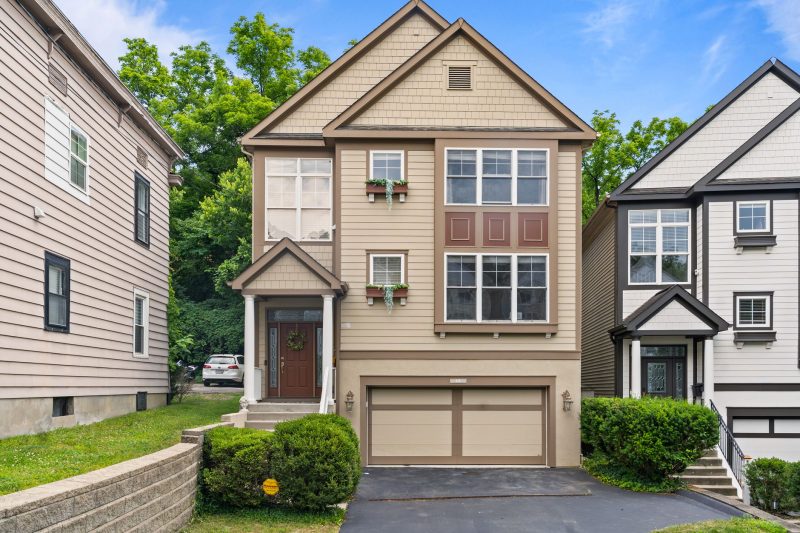
Buying your next home while you still own your current property can create difficult questions about timing, equity, and qualifying with two housing payments. A move-up buyer mortgage plan coordinates the new purchase, existing mortgage, available home equity, and expected sale so the financing supports the buyer’s timing and financial position. In this guide, we explain the most common ways to structure a move-up purchase, how lenders evaluate the existing home, and what Orange County buyers should consider before making an offer.
Key Takeaways
- Primary Decision: Move-up buyers must decide whether to sell first, buy first, or coordinate both transactions.
- Qualification: A lender may need to count both housing payments unless the current home is sold or qualifies for a specific underwriting treatment.
- Equity: A bridge loan, HELOC, or other financing strategy may provide access to equity before the sale closes.
- Planning: Mortgage, real estate, tax, insurance, and closing timelines should be reviewed before an offer is submitted.
- Best For: This planning is designed for buyers replacing an existing property while managing equity, debt, and overlapping ownership costs.
Quick Answers for Move-Up Buyers
- Can we buy a new home before selling our current home? Potentially. Approval depends on income, debts, credit, reserves, equity, and the loan program’s current underwriting rules.
- Will the existing mortgage count against us? It commonly does unless the property has sold or the file meets guidelines for excluding or offsetting that payment.
- Do we need a home-sale contingency? Not always. It may reduce financial risk, but whether it works depends on the seller, the contract, and local market conditions.
- Can we use our current home’s equity for the down payment? Depending on eligibility, buyers may consider a HELOC, bridge financing, cash-out financing, or proceeds from selling first.
At WestPac Lending (NMLS# 264390), we help borrowers compare these structures based on their cash flow, existing equity, purchase goals, and anticipated sale timeline. The right approach is not simply the option with the largest available loan—it is the one that creates a manageable transition under current lending guidelines.
Three Common Ways to Structure a Move-Up Purchase
Most move-up transactions fit into one of three broad structures. Each has different qualification, contract, and cash-flow implications.
1. Sell the Existing Home Before Buying
Selling first converts home equity into available cash and removes the existing mortgage payment before the next purchase. This can simplify qualification and provide a clear down payment amount.
The tradeoff is logistical. The buyer may need temporary housing, a rent-back agreement, storage, or a carefully coordinated closing schedule. A rent-back is subject to the purchase contract, buyer approval, insurance considerations, and applicable occupancy rules.
Selling first may make sense when:
- Qualification depends on removing the current mortgage payment.
- Most of the new down payment will come from sale proceeds.
- The seller wants to know the exact net proceeds before shopping.
- A temporary housing plan is practical and affordable.
2. Buy Before Selling
Buying first gives the borrower control over the next-home search, but the lender may qualify the file with both properties and both housing obligations. That can include principal and interest, property taxes, homeowners insurance, HOA dues, and other recurring property costs.
Buyers considering this approach often need sufficient income, liquid reserves, and access to a down payment that does not depend on an immediately completed sale. Some borrowers use savings or investment assets, while others evaluate an Orange County bridge home loan designed to address the gap between purchasing and selling.
Bridge financing varies by lender. Terms, collateral requirements, payments, fees, and repayment expectations should be reviewed carefully before relying on it in a purchase contract.
3. Coordinate the Purchase and Sale
A coordinated closing attempts to use the existing home’s sale proceeds for the new purchase with minimal time between transactions. The purchase contract may include a home-sale contingency or another provision addressing the source and timing of funds.
This structure can reduce the period of overlapping ownership, but it creates more moving parts. A delay involving the buyer of the departing property could affect the replacement purchase. Escrow, real estate, title, insurance, and lending teams should understand the intended sequence early in the process.
How Lenders Evaluate the Existing Home
Underwriters do not look only at the new property. They evaluate the complete financial obligation created by owning one or both homes.
Debt-to-Income Analysis
Debt-to-income ratio compares qualifying monthly debt obligations with qualifying monthly income. If the current home has not sold, its full housing payment will commonly remain in the calculation.
Depending on the scenario and program, a lender may consider documentation showing that the property has been sold, is under contract, or will become a rental. Treatment varies, and a listing agreement by itself generally does not mean the payment can automatically be excluded.
Cash Reserves
Reserves are funds remaining after down payment, closing costs, and other required expenses. Buyers carrying two homes may face greater reserve expectations because the lender is evaluating the borrower’s ability to manage overlapping obligations.
Eligible reserve assets vary by program. Checking and savings accounts are straightforward examples, while retirement and investment accounts may be counted differently. Borrowed funds and business assets can require additional analysis.
Source of Down Payment
The lender must document where the down payment and closing funds come from. If the money depends on selling the current home, the sale generally must close in time for the proceeds to become available and verifiable.
If funds come from a credit line, bridge loan, or another secured obligation, the resulting payment may affect qualification. Moving money between accounts shortly before underwriting may also create additional documentation requests.
Ways to Access Equity Before the Existing Home Sells
| Option | How It Works | Key Consideration |
|---|---|---|
| Bridge loan | Provides temporary financing tied to the transition between the two properties. | Repayment terms, carrying costs, equity, and the expected sale timeline matter. |
| HELOC | Creates a revolving credit line secured by the current home. | Qualification and line availability should be addressed before listing or selling the property. |
| Cash-out refinance | Replaces the current mortgage with a larger loan and distributes eligible equity. | Closing costs, the new payment, occupancy plans, and expected ownership period must be considered. |
| Sale proceeds | Uses net funds from the completed sale for the new purchase. | The purchase schedule must allow the proceeds to be received and documented. |
A home equity line of credit can be useful when established early, but it is not interchangeable with cash. The line’s payment, draw terms, variable-rate features, lender conditions, and impact on the new mortgage application should all be reviewed.
Rates, costs, qualification standards, and available structures vary by lender and scenario. Buyers should verify current guidelines before choosing an equity strategy.
Selecting the Mortgage for the New Home
The new loan does not have to match the mortgage on the departing property. The choice depends on the new home’s price, occupancy, available down payment, income documentation, and long-term ownership plan.
- Conventional loans may offer flexible down payment and property options, subject to conforming limits and underwriting.
- Jumbo loans may be relevant when the amount exceeds applicable conforming loan limits, which is a common consideration in higher-priced Orange County markets.
- FHA loans generally allow a 3.5% minimum down payment for qualified borrowers, although occupancy and existing FHA financing rules require review.
- VA loans may provide eligible borrowers with a 0% down payment option, subject to entitlement, occupancy, residual income, and current program requirements.
- Bank statement loans may help eligible self-employed borrowers document cash flow using qualifying bank deposits rather than relying solely on traditional tax-return calculations.
Self-employed move-up buyers should begin income analysis early. Business and personal deposits, ownership percentage, expense factors, liquidity, and recent changes to the business can affect the outcome. Our bank statement loan program provides an alternative structure for scenarios that fit its guidelines.
Orange County Factors That Affect the Plan
Move-up buyers in Irvine, Newport Beach, Huntington Beach, Costa Mesa, and other Orange County communities may encounter higher property values and loan amounts. Current conforming and high-cost county loan limits should be checked when deciding between conventional and jumbo financing.
Property taxes, homeowners insurance, HOA dues, special assessments, and condo project requirements can materially affect qualification. Coastal properties may also require additional insurance review, while attached homes can involve HOA budget, insurance, litigation, or project eligibility documentation.
These issues should be evaluated using the specific property rather than broad neighborhood assumptions. Two homes with similar prices can produce different qualifying payments because of taxes, insurance, HOA obligations, or financing eligibility.
A Step-by-Step Move-Up Buyer Planning Process
- Estimate current equity. Review the likely selling price, mortgage payoff, transaction expenses, and expected net proceeds.
- Document income and assets. Provide current financial documents so the lender can evaluate both a sell-first and buy-first structure.
- Compare qualification scenarios. Determine whether the file works with both housing payments, only the replacement-home payment, or an equity-financing payment.
- Set a comfortable cash threshold. Account for down payment, closing costs, reserves, moving expenses, repairs, and possible overlap.
- Choose a contract strategy. Discuss sale contingencies, closing dates, possession, and backup plans with the appropriate real estate and legal professionals.
- Update the plan before offering. Property taxes, HOA dues, insurance, loan amount, and current market rates can change the qualification analysis.
As of 2026, loan programs and underwriting rules continue to vary across lenders and loan types. Pre-approval planning should therefore be based on reviewed financial documents and a realistic estimate of both properties’ expenses—not only an online payment estimate.
Review Your Move-Up Purchase Before You List or Offer
A strong move-up plan compares multiple sequences instead of assuming the current home must sell first or that buying first will automatically work. We can review the existing mortgage, estimated equity, income documentation, available reserves, and target purchase range to explain the practical tradeoffs.
Call, text, or email us to review your scenario, compare mortgage and equity options, and understand the next steps. Early pre-approval planning can help you coordinate with your real estate professional before listing your current property or submitting an offer on the next one.
By Steve Rivas, President
NMLS 287708 | Licensed in California, Florida, and Colorado
More than 26 years of mortgage industry experience
Frequently Asked Questions
What happens if our existing home takes longer than expected to sell?
You may need to carry both properties longer than planned, which can increase mortgage, tax, insurance, HOA, and maintenance expenses. Before buying, review your reserves, financing maturity dates, contract obligations, and backup options for a delayed sale.
Can rental income from the departing home help us qualify?
Rental income may help in some scenarios if the property, lease, equity position, and documentation meet the loan program’s current requirements. The lender may apply vacancy or expense adjustments rather than using the full monthly rent.
How do HOA dues and property taxes affect a move-up mortgage?
HOA dues and property taxes are generally included in the new property’s qualifying housing expense. They can reduce the loan amount a borrower qualifies for even when two homes have similar purchase prices.
Can a self-employed buyer use a bank statement loan for the next home?
A qualifying self-employed borrower may be able to use a bank statement program when traditional income documentation does not accurately reflect available cash flow. Eligibility depends on deposit history, business activity, credit, assets, property type, and the lender’s guidelines.
Does a jumbo move-up purchase require additional planning?
Jumbo loans commonly involve more detailed reviews of income, assets, reserves, credit, and property characteristics. Buyers should confirm current loan limits and documentation requirements before depending on a jumbo loan for a time-sensitive purchase.
This is educational and not financial advice. Loan programs and guidelines can change. Talk with a licensed mortgage professional about your specific scenario.

About the Author
Steve Rivas
President at WestPac Lending · NMLS #287708
Steve Rivas is the founder of WestPac Lending, a Savi Ranch Financial, Inc. company, and has been serving borrowers since 1999.
Specializes in: Bank statement loans, FHA loans, Refinance loans
Licensed in: CA, CO, FL
Related Posts