
DSCR Loans for Rental Property and Real Estate Investors
Explore investment property financing that may allow borrowers to qualify based on rental property cash flow instead of traditional personal income documentation.
DSCR loans are designed for real estate investors who want to purchase, refinance, or access equity from rental properties. Instead of focusing primarily on personal debt-to-income ratios, the review centers on whether the property’s rental income can support the mortgage payment.

What Is a DSCR Loan?
A DSCR loan is an investment property loan that focuses on the rental property’s cash flow instead of relying primarily on the borrower’s traditional personal income documentation.
DSCR stands for debt service coverage ratio. In simple terms, it compares the property’s rental income to the mortgage payment and related housing expenses. Real estate investors often review DSCR loans when they want financing based more on the property’s ability to support itself.
This can be helpful for investors who own multiple properties, report income differently on tax returns, or want to expand a rental portfolio without using a traditional debt-to-income mortgage review.

Designed for rental property financing
DSCR loans are commonly reviewed by real estate investors purchasing or refinancing income-producing residential investment properties.
Focuses on property cash flow
Instead of focusing only on borrower income, the lender reviews whether the property’s rental income can support the mortgage payment.
Different from bank statement loans
A Bank Statement Loan focuses more on borrower deposits and cash flow, while a DSCR loan focuses more on rental property income.
How DSCR Is Calculated
DSCR compares the rental income from an investment property to the property’s monthly debt obligation. Lenders may calculate this differently depending on program guidelines, but the basic concept is rental income divided by the monthly payment being reviewed.
A DSCR above 1.00 generally means the property’s rental income is greater than the payment being reviewed. A DSCR below 1.00 generally means the property does not fully cover the payment based on the calculation used.
Review eligible rental income
Lenders may review lease income, market rent, appraisal rent schedules, or other rental-income documentation depending on the property and transaction type.
Review the property payment
The monthly debt payment may include principal, interest, taxes, insurance, association dues, and other property-related payment factors depending on the program.
Compare income to payment
The rental income is compared against the payment to estimate whether the property cash flow supports the loan request.
Why DSCR Matters for Real Estate Investors
DSCR matters because it helps investors evaluate whether a rental property may support its own mortgage payment. Instead of focusing only on personal income documentation, the conversation shifts toward the property’s rental income and cash flow.
This can be especially helpful for investors who are building a portfolio, purchasing additional rental properties, refinancing existing investments, or reviewing cash-out options for future acquisitions.

Supports rental property financing
DSCR loans are commonly reviewed for investment properties where rental income plays a major role in the financing conversation.
Helps investors scale beyond one property
Investors who own multiple properties may prefer a loan review that focuses more on the subject property’s income instead of only personal income.
Useful for purchase and refinance planning
DSCR financing may be reviewed for rental property purchases, rate-and-term refinances, and cash-out refinances depending on the property and program guidelines.
Different from personal income loans
DSCR loans are different from programs like Bank Statement Loans, which focus more on borrower deposits and cash flow.
DSCR is not the only factor lenders review, but it is one of the most important starting points for rental property loan discussions because it connects the property’s income to the mortgage payment.
DSCR Loan Pros and Cons
DSCR loans can be a strong option for real estate investors, but they are not the right fit for every rental property or borrower. Reviewing the advantages and tradeoffs can help investors decide whether this type of financing belongs in the conversation.
Why investors may review DSCR loans
- May qualify based on rental property cash flow instead of traditional personal income documentation
- Can be useful for investors with multiple rental properties
- May support purchase, refinance, and cash-out refinance strategies
- Can help investors evaluate financing based on the subject property’s income
- May be a helpful alternative when tax returns do not reflect the investor’s full financial strategy
What investors should consider
- Interest rates, down payment, reserves, and fees may differ from traditional owner-occupied mortgage options
- The property’s rental income and payment structure can strongly affect available terms
- A low DSCR may limit options or require a stronger compensating factor
- Short-term rental income may be reviewed differently depending on program guidelines
- Program details can vary by property type, occupancy, credit profile, and loan purpose
Best fit
DSCR loans may fit investors who want to evaluate a rental property based on its cash flow, especially when the borrower’s personal income documentation is not the best way to assess the investment.
Compare before deciding
Some investors should compare DSCR loans with Bank Statement Loans, Asset Depletion Loans, Fix & Flip Loans, or Commercial Loans.
Eligible Property Types for DSCR Loans
DSCR loans are commonly used for income-producing residential investment properties. Eligible property types can vary by lender and program, but the core focus is usually whether the property can generate enough rental income to support the mortgage payment.
Investors may review DSCR financing for single-family rentals, condos, townhomes, multi-unit properties, and certain short-term rental scenarios depending on the property, market, rental history, and program guidelines.

Single-Family Rentals
DSCR loans are often reviewed for single-family rental properties where the investor wants the rental income to be part of the loan conversation.
Condos and Townhomes
Condos and townhomes may be eligible depending on the project, ownership structure, occupancy, rental income, and program requirements.
2-4 Unit Residential Properties
Small multifamily properties may be reviewed when the investor wants to evaluate the rental income from multiple units against the mortgage payment.
Short-Term Rental Properties
Some DSCR programs may review short-term rental income, but requirements can vary based on market, documentation, rental history, and available guidelines.
Property eligibility is not based on property type alone. Lenders may also review rental income, appraisal details, lease structure, occupancy, reserves, borrower profile, and whether the property fits the DSCR program being considered.
Using DSCR Loans for Purchase, Refinance, and Cash-Out
DSCR loans may be reviewed for several investment property strategies. Real estate investors often use them to purchase rental properties, refinance existing investment loans, or access equity for future portfolio planning.
Purchase a rental property
Investors may use DSCR financing to purchase an income-producing property when the rental income supports the loan structure being reviewed.
Refinance an existing investment property
A DSCR refinance may help investors review payment structure, loan terms, or financing options for an existing rental property.
Access equity through cash-out refinance
Some investors review DSCR cash-out refinance options to access available equity, consolidate financing, or prepare for future acquisitions.
Support rental portfolio growth
DSCR loans may help investors review financing based on property performance, which can be useful when building or repositioning a rental portfolio.
Documentation That May Be Reviewed for a DSCR Loan
DSCR loans usually focus more on the rental property’s income than the borrower’s traditional personal income, but documentation still matters. Lenders may review property income, lease details, appraisal information, borrower credit, assets, reserves, and entity documents when applicable.
The exact documentation needed can vary by lender, property type, transaction type, and whether the property is currently rented, vacant, newly purchased, or used as a short-term rental.
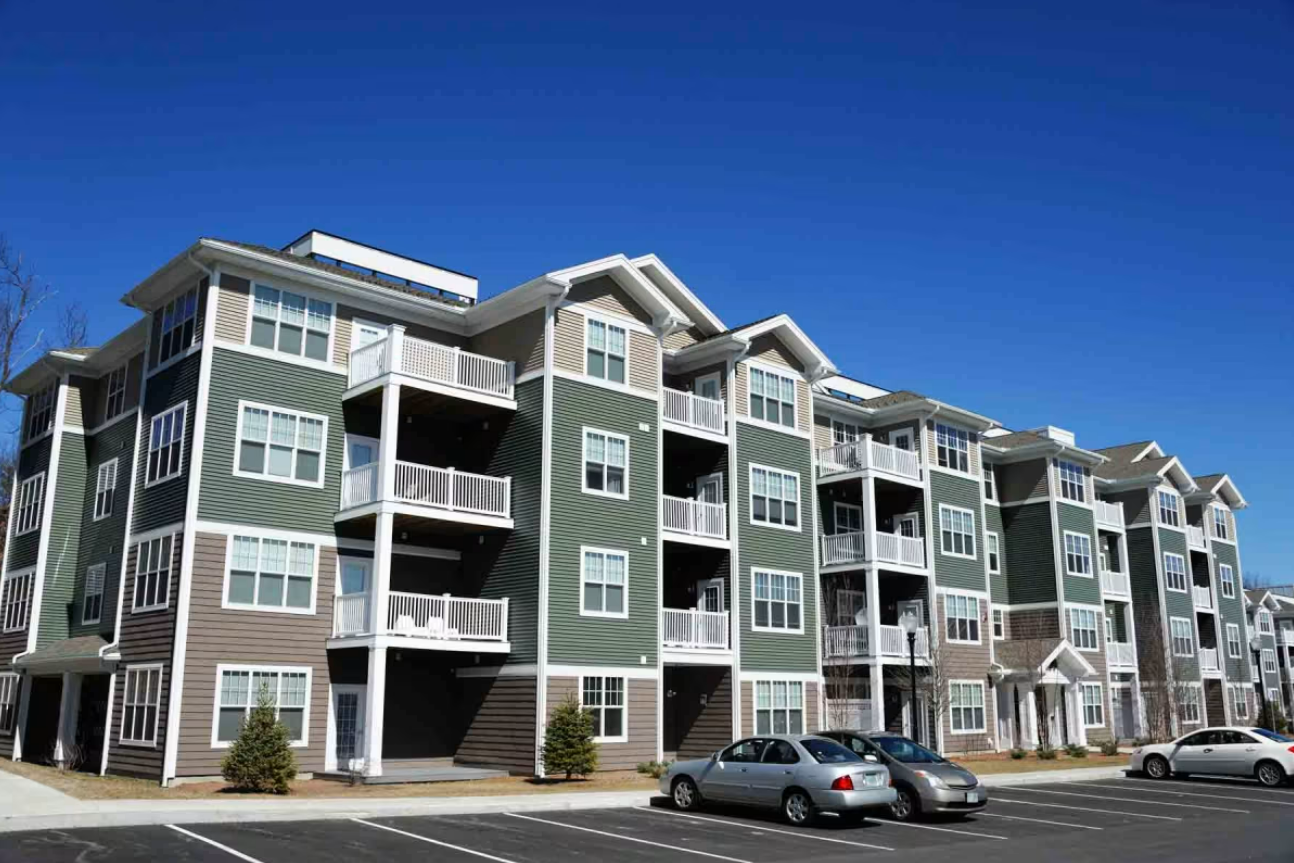
Rental income documentation
Lenders may review lease agreements, market rent, rent schedules, appraisal rent estimates, or short-term rental history depending on the property and program.
Property and appraisal details
The property type, value, condition, occupancy, unit count, and rental-market support can all influence how the DSCR loan is reviewed.
Credit, assets, and reserves
Even when personal income documentation is not the main focus, lenders may still review credit profile, liquidity, reserves, and overall borrower strength.
Entity or ownership documents
If the property is held in an LLC or business entity, the lender may request entity documentation, ownership details, and authorization documents.
Common Mistakes to Avoid with DSCR Loans
DSCR loans are built around rental property cash flow, but investors should still review the full loan structure before moving forward. Avoiding these common mistakes can help make the financing conversation clearer from the start.
Only looking at the property rent
Rental income is important, but lenders may also review the full payment, property taxes, insurance, HOA dues, vacancy assumptions, reserves, and borrower profile.
Assuming every DSCR program is the same
DSCR loan requirements can vary by lender, property type, rental income source, credit profile, loan amount, down payment, and transaction purpose.
Ignoring short-term rental documentation
Short-term rental properties may need different documentation than long-term rental properties. Program guidelines can vary for Airbnb-style or vacation rental income.
Forgetting to compare investor loan options
A DSCR loan may be the right fit, but some investors should also compare Fix & Flip Loans, Bank Statement Loans, or commercial financing.
A strong DSCR loan review starts with the property’s income, but it should also include the investor’s full strategy, reserves, property type, expected use, and long-term portfolio goals.
What Lenders May Review for a DSCR Loan
DSCR loan requirements can vary by lender, property type, rental income source, credit profile, loan purpose, and transaction structure. While the property’s cash flow is a central part of the review, lenders usually evaluate more than the DSCR calculation alone.
The goal is to understand whether the investment property, borrower profile, and financing request fit the DSCR loan program being considered.

Property cash flow and DSCR ratio
Lenders may review whether the property’s rental income supports the monthly payment. A stronger DSCR may improve available options, while a lower DSCR may require additional review or compensating factors.
Credit profile and borrower strength
Credit history, mortgage payment history, liquidity, reserves, and overall borrower profile may still be reviewed even though traditional personal income documentation is not the primary focus.
Down payment, equity, and reserves
Purchase transactions may require a down payment, while refinance transactions may require sufficient equity. Reserves may also be reviewed depending on property type, loan amount, and program guidelines.
Property type, rent source, and loan purpose
DSCR requirements may differ for single-family rentals, condos, 2-4 unit properties, short-term rentals, purchases, refinances, and cash-out refinances.
DSCR Loan Questions Real Estate Investors Often Ask
DSCR loans can be useful for rental property investors, but the details can vary by lender, property type, rent source, loan purpose, and borrower profile. These questions can help you understand the basics before reviewing your options.
What is a DSCR loan?
A DSCR loan is an investment property loan that focuses on the property’s rental income compared with the mortgage payment instead of relying primarily on traditional personal income documentation.
What does DSCR stand for?
DSCR stands for debt service coverage ratio. It is a measurement used to compare rental income against the debt payment being reviewed.
How is DSCR calculated?
The basic DSCR calculation is rental income divided by the monthly debt payment. Lenders may calculate income and payment differently depending on the program, property, and transaction type.
What is a good DSCR ratio?
A DSCR above 1.00 generally means the property’s rental income is greater than the payment being reviewed. Some programs may allow different ratios depending on credit profile, equity, reserves, property type, and other factors.
Can DSCR loans be used for rental property purchases?
Yes. DSCR loans are commonly reviewed for rental property purchases when the investor wants the property’s income to be part of the financing conversation.
Can I use a DSCR loan for a cash-out refinance?
Some investors use DSCR loans for cash-out refinances on eligible rental properties. Available options depend on the property, equity, rental income, credit profile, and program guidelines.
Do DSCR loans require tax returns?
DSCR loans generally focus more on the property’s rental income than traditional personal income documentation. However, lenders may still review credit, assets, reserves, property details, and other file documentation.
Can DSCR loans be used for short-term rentals?
Some DSCR programs may review short-term rental properties, but requirements can vary. Documentation, market rent, rental history, occupancy rules, and program guidelines may all affect available options.
How is a DSCR loan different from a bank statement loan?
A DSCR loan focuses more on rental property income, while a Bank Statement Loan focuses more on borrower deposits and cash flow.
DSCR Loan Guidance Built Around Real Estate Investor Strategy
DSCR loans are not only about whether a rental property has income. The right financing conversation should also consider property type, rent source, equity, reserves, cash-out goals, portfolio growth, and the investor’s long-term strategy.
Rental Cash Flow Review
WestPac Lending helps investors review how rental income, market rent, and property payment structure may affect DSCR loan options.
Investor Program Comparison
Some investors should compare DSCR loans with Bank Statement Loans, Asset Depletion Loans, Fix & Flip Loans, or Commercial Loans.
Purchase, Refinance, and Cash-Out Planning
Whether the goal is acquiring a rental property, refinancing an existing investment loan, or accessing equity, WestPac Lending helps investors review the structure clearly.
Portfolio-Focused Guidance
Investors often need financing guidance that considers more than one property. DSCR loans may be part of a broader rental portfolio strategy.
A better DSCR loan conversation starts by understanding the property’s cash flow, the investor’s goals, and how the loan fits into a larger rental property strategy.
Ready to Review Your DSCR Loan Options?
If you are purchasing, refinancing, or accessing equity from a rental property, WestPac Lending can help you review whether a DSCR loan may fit your investment property strategy.
Get started today!
Fill out the questionnaire on this page to start a discussion about your mortgage needs today!
