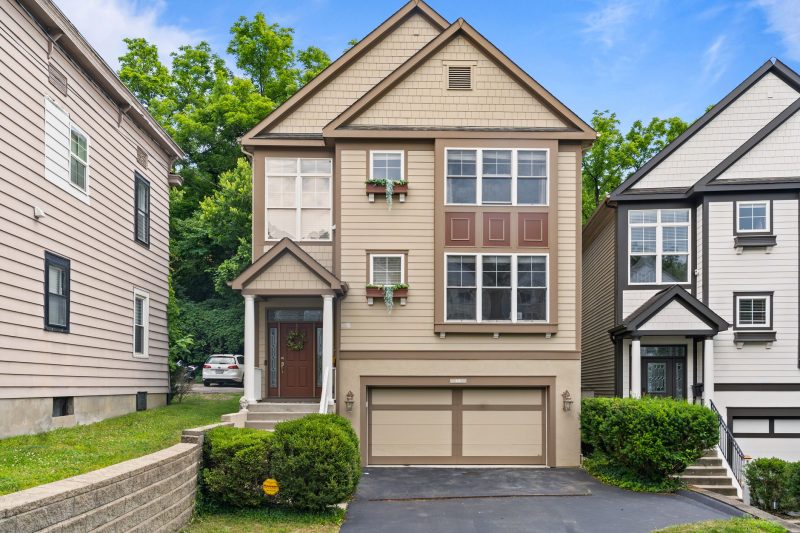
Purchasing a home as a veteran or active-duty service member is a major milestone, but…
VA Loans: A Move-Up Buyer’s Guide to Benefits
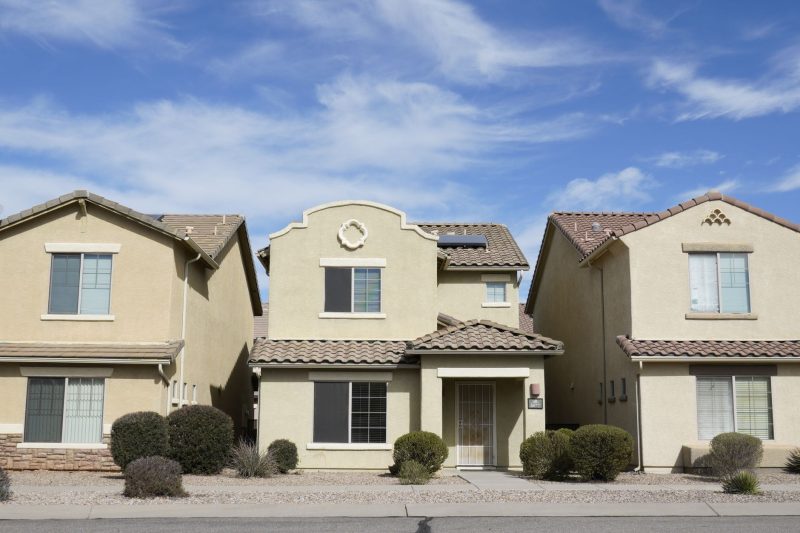
Buying your next home while managing an existing property, equity, and timing can make a move-up purchase feel complicated.
For eligible borrowers with prior military service, a VA loan can finance an owner-occupied move-up home with no required down payment in many cases, no monthly private mortgage insurance, and flexible entitlement reuse rules.
This guide explains how VA loan benefits work for move-up buyers, how entitlement affects a new purchase, and what to consider when buying in Orange County.
Key Takeaways
- Benefits: Eligible borrowers may purchase with 0% down, no monthly private mortgage insurance, and competitive program terms.
- Eligibility: A Certificate of Eligibility confirms VA benefit eligibility, while the lender separately reviews credit, income, assets, debts, and occupancy.
- Entitlement: VA benefits can generally be reused, but selling, retaining, or having a prior VA loan assumed may affect available entitlement.
- Timeline: A VA purchase commonly takes several weeks, although appraisal, property, documentation, and underwriting factors can change the schedule.
- Best For: The program may fit eligible move-up buyers purchasing a new primary residence while coordinating the sale or conversion of their current home.
At WestPac Lending (NMLS# 264390), we provide mortgage guidance for homebuyers, homeowners, self-employed borrowers, and real estate investors based on their goals and financial scenarios.
Quick Answers About VA Loans for Move-Up Buyers
- Can a VA loan be used more than once? Yes. Eligible borrowers may reuse their VA benefit after entitlement is restored or, in some cases, by using remaining entitlement.
- Is a down payment always required? Often not. A down payment may be needed when entitlement is limited, the purchase price exceeds the appraised value, or the borrower chooses to reduce the loan balance.
- Does a Certificate of Eligibility mean the mortgage is approved? No. The certificate verifies benefit eligibility, but loan approval depends on lender underwriting and the property meeting program requirements.
- How long does a VA purchase take? It commonly takes several weeks, but the actual timeline depends on documentation, appraisal availability, property conditions, and the purchase contract.
- Is there one required VA credit score? The VA does not set one universal minimum credit score for all lenders. Individual lenders may apply their own credit standards and other underwriting requirements.
How VA Loan Benefits Support a Move-Up Purchase
A move-up buyer is purchasing a home that better fits current property, space, location, or financial goals. The buyer may also be selling an existing home, converting it to a rental, or coordinating two transactions.
A VA loan is a mortgage made by a private lender and partially guaranteed by the U.S. Department of Veterans Affairs. The guarantee reduces part of the lender’s risk, allowing qualified borrowers to access benefits that differ from conventional financing.
No Required Down Payment in Many Cases
Eligible borrowers with sufficient entitlement may be able to finance the full purchase price, subject to the home’s appraised value and lender approval. This can allow a move-up buyer to preserve cash for reserves, repairs, moving expenses, or other financial priorities.
A 0% down option does not mean the transaction has no upfront costs. Buyers may still have closing costs, prepaid property taxes, homeowners insurance, HOA-related charges, and other expenses. Seller credits may help with certain allowable costs, but the contract and loan guidelines determine what is permitted.
No Monthly Private Mortgage Insurance
VA loans do not require monthly private mortgage insurance, even when the buyer makes a small down payment or no down payment. Conventional loans commonly require private mortgage insurance when the down payment is below the applicable threshold.
Most VA borrowers instead pay a one-time VA funding fee. The amount varies according to factors such as benefit use and down payment, and it can often be financed into the loan. Certain eligible borrowers are exempt from the funding fee based on VA rules.
Flexible Treatment of Credit and Income
VA underwriting considers the borrower’s overall ability to repay, including income stability, debts, credit history, assets, and residual income. Residual income is the money expected to remain after major monthly obligations are paid.
This flexibility does not remove the need to qualify. Lenders may have their own standards, known as overlays, and employment or self-employment income must be documented according to current guidelines.
How VA Entitlement Works When Buying Again
VA entitlement is the portion of a loan the VA may guarantee for an eligible borrower. Understanding available entitlement is one of the most important early steps for a move-up buyer who has used a VA loan before.
Your situation will typically fall into one of these categories:
- Prior VA loan paid off and property sold: Entitlement may generally be restored after the required VA process is completed.
- Prior VA loan paid off but property retained: A one-time restoration may be available under qualifying circumstances.
- Existing VA loan remains open: The borrower may have remaining entitlement that can be applied to another primary-residence purchase.
- Prior loan was assumed: Entitlement may remain tied to the property unless an eligible assuming borrower substitutes their entitlement.
- Prior VA loan involved a loss: Some entitlement may remain unavailable until the applicable issue is resolved.
Borrowers with full entitlement generally are not subject to a VA-imposed maximum loan amount. However, the lender still determines the supported loan size based on income, debts, credit, assets, appraisal, and other risk factors. When entitlement is partial, current county loan limits can affect the guaranty calculation and whether a down payment is necessary.
Should You Sell or Keep Your Current Home?
Move-up buyers should decide early whether the current property will be sold, retained as a second home where permitted, or converted to a rental. That decision affects entitlement, debt-to-income calculations, required reserves, occupancy, and transaction timing.
Selling Before the New Purchase
Selling first can provide equity for closing costs, a voluntary down payment, debt reduction, or reserves. It may also allow full entitlement restoration when an existing VA loan is paid off and the applicable requirements are met.
The tradeoff is timing. Buyers may need to coordinate possession dates, temporary housing, or contract contingencies while searching for the next home.
Buying Before the Current Home Sells
This approach may offer more flexibility in the move, but the borrower may need to qualify while carrying both housing obligations. Lenders will evaluate available entitlement, cash reserves, projected rental income when eligible, and the borrower’s ability to manage both payments.
A bridge home loan may be worth comparing in certain equity-rich scenarios, although bridge financing has separate costs, risks, and qualification standards. It is not part of the VA loan program.
VA Loans in the Orange County Housing Market
Orange County move-up purchases can involve higher property values, HOA obligations, condo approval questions, and larger property tax or insurance expenses. These factors are important in communities such as Irvine, Anaheim, Huntington Beach, Newport Beach, Costa Mesa, and Mission Viejo.
Borrowers considering coastal communities may also need to evaluate property insurance availability, flood-zone determinations, and HOA requirements. Inland markets may present different price points and property characteristics, but the same VA occupancy, appraisal, and underwriting standards apply.
For larger loan amounts, eligible buyers may compare VA financing with a jumbo home loan. The appropriate structure depends on entitlement, available assets, expected occupancy, income documentation, and the full monthly housing expense.
Condo and HOA Considerations
A condominium generally must be in a VA-approved project unless an approval process is completed. Buyers should verify project status before relying on a condo for a VA-financed purchase.
HOA dues are included in the monthly housing analysis. Lenders may also review the project’s insurance, financial condition, litigation, property use, and other documentation under applicable guidelines.
VA Loans Compared With Other Move-Up Options
| Feature | VA Loan | Conventional Loan | FHA Loan |
|---|---|---|---|
| Eligibility | Requires qualifying military service and a Certificate of Eligibility | No military-service requirement | No military-service requirement |
| Minimum Down Payment | 0% in many eligible scenarios | Programs may start at 3%, subject to eligibility | Generally starts at 3.5% |
| Mortgage Insurance | No monthly private mortgage insurance; a funding fee may apply | May apply based on down payment and other factors | Upfront and annual mortgage insurance generally apply |
| Occupancy | Primary residence | Primary, second home, or investment property depending on program | Primary residence |
Rates, fees, insurance costs, loan limits, and underwriting requirements change. Buyers should verify current information and compare the complete cost and structure of each option rather than focusing on one feature.
Steps to Prepare for a VA Move-Up Purchase
- Obtain your Certificate of Eligibility. This shows prior benefit use and available entitlement information.
- Review your current mortgage and property plan. Decide whether you expect to sell, retain, or rent the existing home.
- Estimate the complete new housing expense. Include principal, interest, property taxes, homeowners insurance, HOA dues, and other applicable costs.
- Document income and assets. Salaried, variable, retirement, and self-employment income may require different records.
- Complete pre-approval planning. A lender can review entitlement, credit, income, debts, reserves, and expected transaction timing.
- Confirm property eligibility early. This is especially important for condominiums, properties needing repairs, and homes with unusual characteristics.
- Coordinate the contract and appraisal. Financing, sale, appraisal, and occupancy terms should reflect a realistic timeline.
Talk With Us About Your Move-Up Strategy
A VA move-up purchase is not only about selecting a loan. It also involves coordinating entitlement, equity, occupancy, property eligibility, and the timing of your current home.
We invite you to call, text, or email us to review your scenario, compare available mortgage loan options, and understand the next steps. We can also help with pre-approval planning before you list your current property or begin making offers.
Steve Rivas, President, has more than 26 years of mortgage industry experience and is licensed in California, Florida, and Colorado. Individual NMLS 287708.
Frequently Asked Questions
Can I keep my current home and use a VA loan for the next one?
Possibly, if the new property will be your primary residence and you have sufficient remaining entitlement and qualifying capacity. The lender will evaluate both housing obligations, potential eligible rental income, reserves, and your occupancy plans.
What happens if I have only partial VA entitlement available?
Partial entitlement does not automatically prevent another VA purchase. The lender must calculate the available guaranty using current VA rules and county loan limits, and a down payment may be required depending on the purchase price and remaining entitlement.
Can I use a VA loan to buy an Orange County condominium?
Yes, but the condominium project generally must have VA approval or complete an applicable approval process. The lender may also review HOA insurance, finances, litigation, owner occupancy, and other project details under current guidelines.
What if the VA appraisal identifies property repairs?
Required repairs generally must be addressed before closing unless an allowable alternative applies. The VA appraisal evaluates value and minimum property requirements, but buyers should still consider a separate home inspection for a broader review of the property.
How do I know whether I am exempt from the VA funding fee?
Funding fee exemptions depend on specific VA eligibility categories and documentation. Your Certificate of Eligibility may show exemption status, but the lender should verify current VA records before closing.
This is educational and not financial advice. Loan programs and guidelines can change. Talk with a licensed mortgage professional about your specific scenario.

About the Author
Steve Rivas
President at WestPac Lending · NMLS #287708
Steve Rivas is the founder of WestPac Lending, a Savi Ranch Financial, Inc. company, and has been serving borrowers since 1999.
Specializes in: Bank statement loans, FHA loans, Refinance loans
Licensed in: CA, CO, FL
Related Posts